


Software meets the factory floor
Building the cloud platform, engineering organization, and physical environment behind configurable robotic cells.
Senior Director of Engineering
Role
10 → 60+ engineers
Office Growth
200+
Interviews
10 Robotic Cells
Lab
01
The Product
A factory assembled one cell at a time
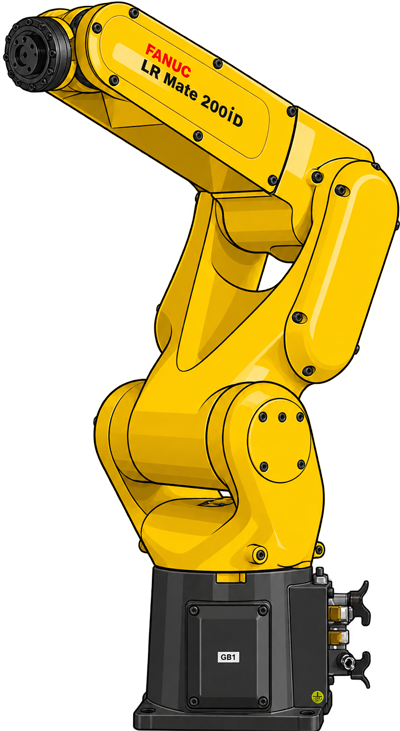
A Bright Robotic Cell was a standalone manufacturing unit with a robotic arm mounted inside the top of its chassis and a conveyor that moved the work surface through the cell.
Customers could connect multiple cells to create an assembly line or another automated workflow. Our teams built the cloud infrastructure and online experience that let users configure those cells, define how they worked together, and prepare the system for the factory floor.
01
Configure a cell
Hardware, capabilities, and operations
02
Connect the cells
Conveyors and material flow
03
Define the workflow
Sequence the automation workflow
02
The Challenge
Four systems had to grow together
01
Two Computing Worlds
Cloud and JavaScript development favored flexibility. PLCs and real-time systems required deterministic, safety-conscious execution.
02
Software Controlling Machines
The configuration described robots, conveyors, and physical actions. Errors could leave the screen and reach real equipment.
03
A Growing Organization
The office expanded from roughly 10 engineers to more than 60 while the architecture and product were still taking shape.
04
A Hardware-Dependent Lab
Development required robotic cells with the right power, pneumatics, network connectivity, and space to operate safely.
03
The Programming Model
JavaScript for flow, PLCs for real time
Industrial robots were traditionally programmed with ladder logic or Structured Text. We wanted to give developers the accessibility of JavaScript without weakening the timing and safety guarantees of the industrial control system.
Non-real-time
JavaScript
- Workflow logic
- Sequencing
- Application state
Hand off control
→Interop layer
←Return control
Real-time
PLC / RTOS
- Deterministic motion
- Time-sensitive I/O
- Machine operations
The interoperability layer transferred control to the PLC whenever an operation required deterministic timing. Once the PLC completed that operation, control returned to JavaScript for the next part of the application flow.
04
My Leadership
Building the product, the organization, and the place
As Senior Director of Engineering, I led beyond a single product surface. The cloud platform, programming model, engineering organization, and robotics lab all depended on one another.
01
Product
Cloud Platform
Led the teams building the infrastructure and online experience used to configure robotic cells and compose automated workflows.
- Configuration architecture
- Cloud infrastructure
- Cross-discipline coordination
01
Organization
Engineering Growth
Helped grow the office from its initial engineering group into an organization of more than 60 people.
- 200+ interviews
- Hiring/interview strategy
- Team formation
- Ownership and leadership
01
Site
Operating Environment
Served as site lead and built the physical and operational foundation the engineering teams needed.
- Office build out
- Robotics lab
- Day-to-day staff support
The engineering environment was part of the product. Without the teams, lab, and working hardware, the software could not be developed or validated.
05
Building the Organization
From an initial team to an engineering office
10Initial engineers
6 Months
60+Engineers in the office
I was a core part of the hiring process and interviewed more than 150 candidates. That direct involvement helped the office grow while keeping technical leadership connected to how teams were formed and which capabilities we added.
200+
Candidates interviewed
6X
Office growth
One
Site operating as a shared engineering organization
06
Building the Lab
Infrastructure for software that moves hardware
As site lead, I worked with contractors to complete the office buildout and create lab space for 10 robotic cells.
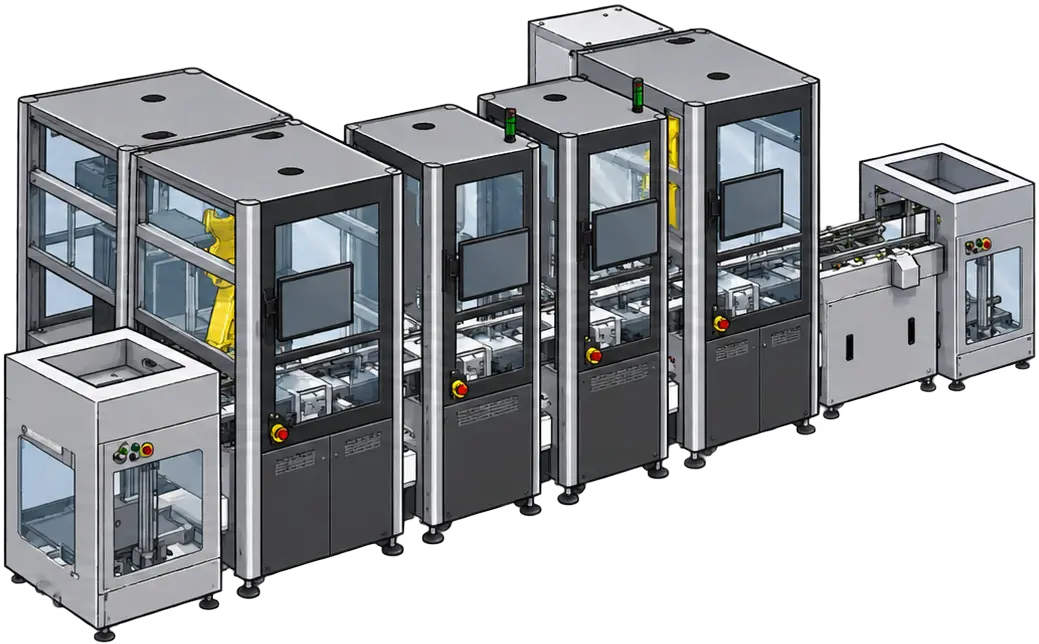
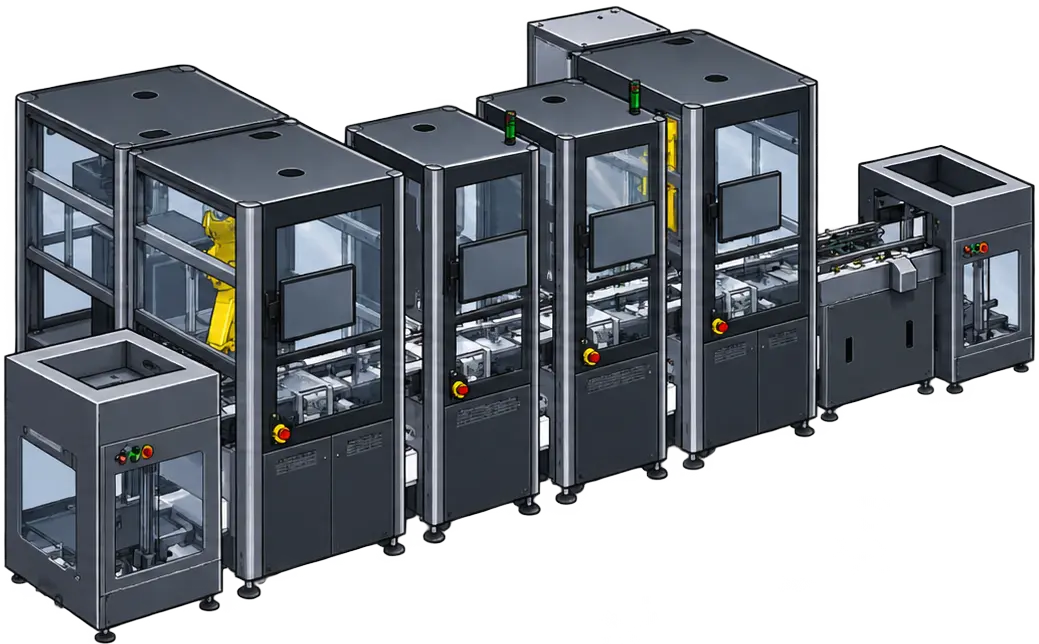
The space needed appropriate electrical service, pneumatic infrastructure, and network connectivity before engineers could develop against real equipment. I also drove furniture procurement, IT and refreshment services, and fielded staff requests so the growing office could stay focused on the work.
01
Electric
60KVA new electrical service with ceiling drops
02
Network
Dedicated gigabit VLAN for lab use
03
Pneumatics
Dedicated compressor with runs above the drop-ceiling providing multiple push-to-connect ports for each robotic cell
04
Cooling
Dedicated 10 tons of HVAC
07
Reflection
What I Carried Forward
Engineering leadership sometimes means building the product, the organization, and the place where the work happens at the same time. Each one becomes a constraint on the others, and none can be treated as background.
01
Make new abstractions preserve the guarantees of the systems beneath them.
When dealing with real-time systems, every clock tick counts and inconsistencies are unforgivable.
02
Speed matters, but hire for technical excellence
Growing a new organization fast is a challenge. Take the time to find the right candidate that meshes with the organization culture, has the right core skill-set, and the drive to excell in the unknown.
03
Stay directly involved in the work you're doing
It's easy to lose sight of the technical goal when you're pulled in multiple directions. Trust the team with the work, but ensure you stay close: own the outcome.
04
Treat labs and development environments as part of the engineering platform
When developing software for real hardware, it's important to have a clear separation between the physical world and the software that controls it. This separation is crucial for reliability, safety, and security.